The urethra is the vessel responsible for transporting urine from the bladder to an external opening in the perineum. It is lined by stratified columnar epithelium, which is protected from the corrosive urine by mucus secreting glands.
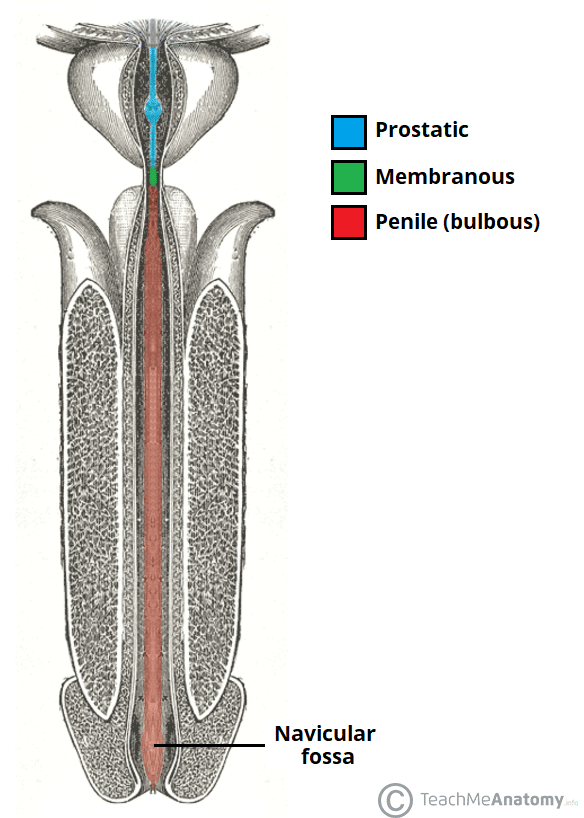
The male urethra is approximately 15-20cm long. In addition to urine, the male urethra transports semen – a fluid containing spermatozoa and sex gland secretions.
According to the latest classification, the male urethra can be divided anatomically into three parts (proximal to distal):
In females, the urethra is relatively short (approximately 4cm). It begins at the neck of the bladder, and passes inferiorly through the perineal membrane and muscular pelvic floor. The urethra opens directly onto the perineum, in an area between the labia minora, known as the vestibule.
Within the vestibule, the urethral orifice is located anteriorly to the vaginal opening, and 2-3cm posteriorly to the clitoris. The distal end of the urethra is marked by the presence of two mucous glands that lie either side of the urethra – Skene’s glands. They are homologous to the male prostate.
In the health system, news coverage naturally gravitates toward breakthroughs. A new therapy, a diagnostic…
I first learned about the urban heat island effect in a high school geography class.…
Artificial intelligence is advancing in health care faster than almost any other technology in modern…
Throughout the history of science, it has rarely been the case that any phenomenon has…
Mandates and strong recommendations have been the key to successful vaccination programmes protecting people for…
Brain organoids, sometimes called “mini-brains,” are three-dimensional clusters of human brain cells grown in labs from pluripotent stem…
This website uses cookies. Your continued use of the site is subject to the acceptance of these cookies. Please refer to our Privacy Policy for more information.
Read More